
Budggy is building the intent layer for commerce.
Founded in Jordan. Built for high-trust retail transactions. Operating with verified retailers.
Markets were designed around visibility.
We think they should be designed around intent.
The team.
Two founders. One thesis. Built from the inside of the market they're changing.
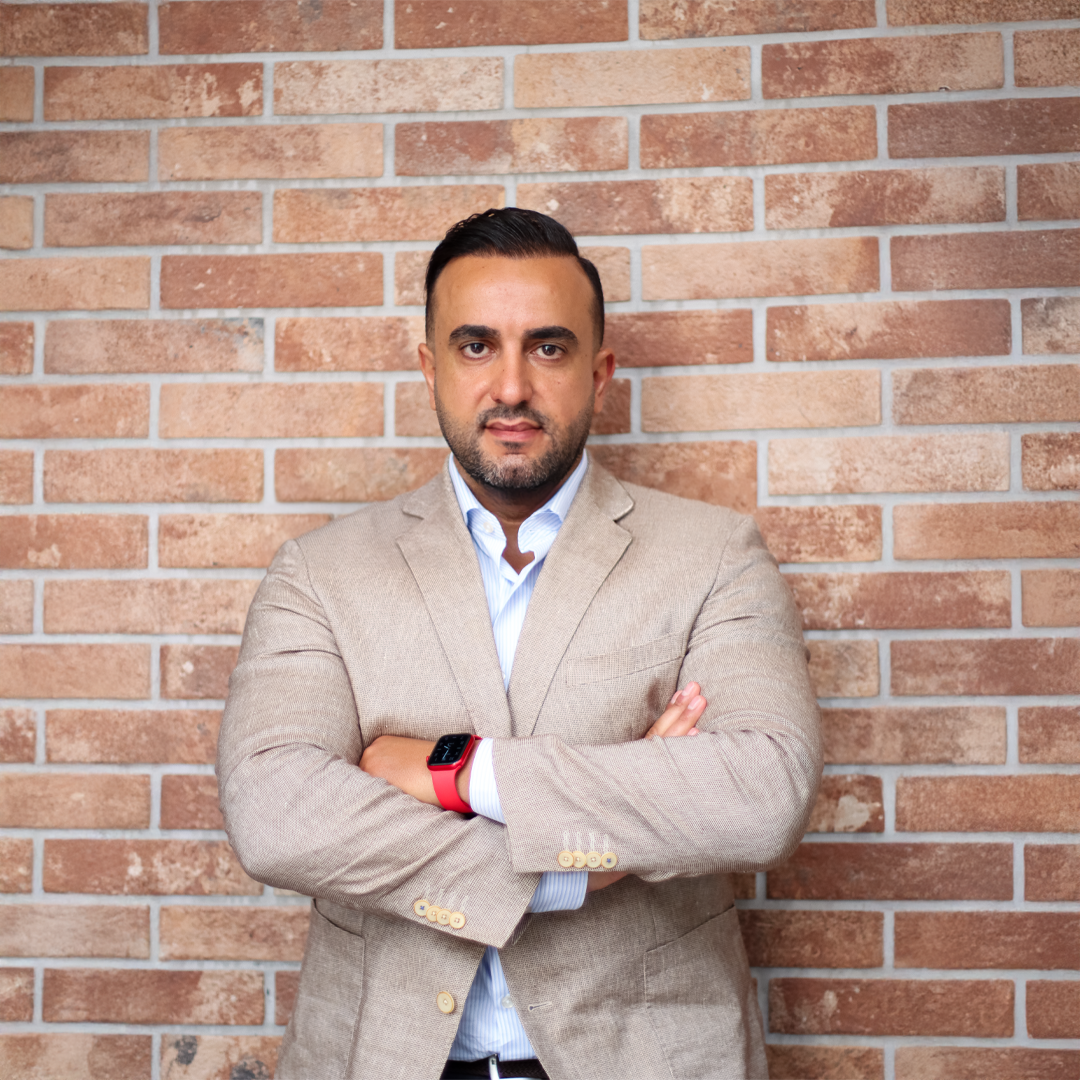
Moe Shawabkeh
Founder & CEO
Before Budggy
Joined a company in distress, reduced a team to its essential core, shipped a hardware-software prototype in 2 weeks, and led a $2M raise against 8 European VCs — a process that resulted in a $120M contract negotiation. He left a $20K/month role, sold his car to put in his own capital, and has been full-time since October 2023.
At Budggy
Took over from an Amazon architect and rebuilt the entire infrastructure. Owns strategy, product, UI/UX, security, cloud, and system architecture.
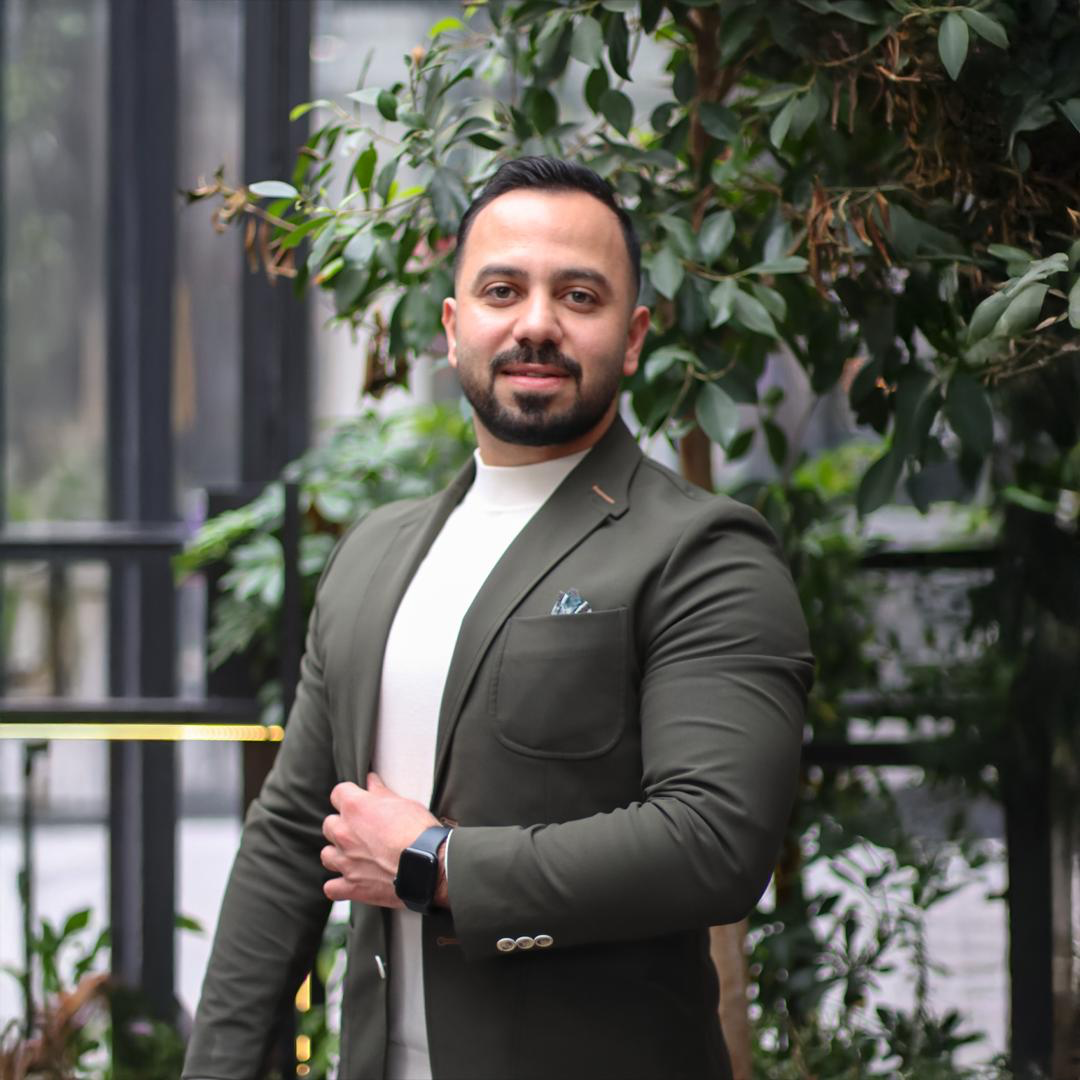
Shak Shweiki
Co-Founder & COO
Previously
QA Engineer at Samsung. Worked with Moe for 5 years before leaving a stable role to help build Budggy.
What he carries
Runs QA across 6 environments, holds the zero-bug release standard, built seller trust on the ground, and helped generate a 1,200-student waitlist in 72 hours with zero budget.
Operational facts.
On Jordan.
We are building this in Amman because this is where we are from, and because this market already operates on the logic we are encoding into software. Trust, negotiation, relationship — these are not features we added. They are what commerce looks like when it is honest.
Jordan has a retail market that operates largely through informal networks and negotiation. Buyers and sellers already understand — intuitively — that price is not fixed, that the best deal comes from knowing the right people, and that a verified seller is worth more than an anonymous listing.
Budggy did not teach this market how to think about commerce. The market already thought this way. We built infrastructure for what was already true.
We believe the model proves itself here first, then travels.
Contact.
For press, partnership, or anything that requires a real conversation. We read everything. We respond to what warrants it.